Jellybean Jive Font for Web Design
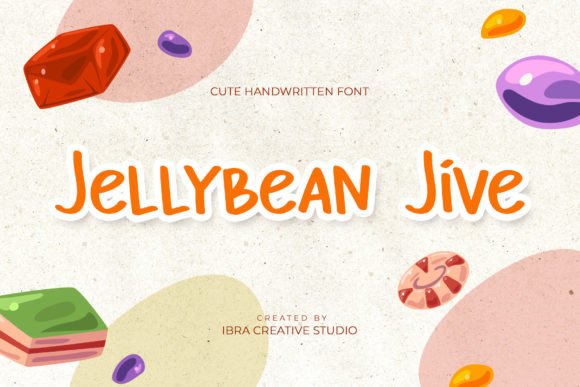
Jellybean Jive is a script handwritten font that brings a unique blend of cuteness and professionalism to digital design. As a web designer, I appreciate how this font can elevate the visual appeal of a website while maintaining clarity and readability. Its charming letterforms make it perfect for creating engaging and memorable brand experiences.
When used in headers, hero sections, or call-to-action areas, Jellybean Jive adds a personal touch that stands out. It works well for landing pages, online store banners, and blog graphics where a friendly yet professional tone is essential. The font’s personality makes it ideal for creative portfolios, boutique stores, and coaching websites looking to establish a distinct brand identity.
Visual Characteristics and Digital Appeal
Jellybean Jive features soft curves and subtle flourishes that give it a handcrafted feel. This makes it an excellent choice for designs that aim to convey warmth and approachability. The font’s balance between playful and polished ensures it doesn’t overwhelm the viewer, making it suitable for both modern and traditional layouts.
Its versatility allows it to work across different design contexts. For instance, using Jellybean Jive for logo text or decorative accents can add a unique flair without sacrificing legibility. When paired with a clean sans serif or serif font, it creates a strong visual contrast that enhances the overall composition.
Usability and Readability in Web Design
Readability is crucial for any font used on a website, especially on mobile screens and small buttons. Jellybean Jive performs well in these scenarios when used at appropriate sizes and with sufficient spacing. It maintains its charm without becoming difficult to read, even on dark backgrounds or image overlays.
For optimal results, use Jellybean Jive in short phrases or as a display font rather than for body text. This helps maintain a clear visual hierarchy and ensures that users can scan content efficiently. It’s particularly effective for headings, buttons, and other interactive elements that need to capture attention quickly.
Brand Tone and User Engagement
The tone of a brand is often reflected in its typography. Jellybean Jive contributes to a friendly, approachable brand voice that resonates with audiences looking for creativity and authenticity. This makes it a great fit for SaaS founders, bloggers, and creative entrepreneurs aiming to build a relatable online presence.
Using this font in key areas like course sales pages or product landing pages can enhance user engagement by creating a more inviting and cohesive experience. It also helps reinforce brand trust when used consistently across different digital touchpoints.
Practical Applications for Web Designers
Consider using Jellybean Jive for a creative portfolio site to highlight project titles or client names. In an online store, it can be used for banner headlines or promotional tags to draw attention without being distracting. On a coaching website, it can serve as a header for service offerings or success stories.
For digital brand kits, Jellybean Jive can be part of the visual language that defines a company’s style. It pairs well with other premium fonts and can be integrated into social media graphics, email templates, and content sections to maintain a consistent aesthetic.
Font Pairing and Design Assets
When pairing Jellybean Jive with other fonts, consider using a simple sans serif for body copy or a serif font for editorial-style content. This combination creates a balanced look that highlights the uniqueness of the script font without clashing with the rest of the design.
Check the available styles, file formats, and webfont options before integrating Jellybean Jive into a project. Ensure that it includes alternates, weights, and multilingual support if needed. These factors affect how the font performs in different languages and design systems.
Commercial Font Licensing for Web Use
When using Jellybean Jive for websites, client projects, or online stores, always verify the commercial licensing terms. This ensures compliance with font usage policies and avoids potential legal issues. For digital templates or brand assets, confirm that the license covers all intended applications.
As a digital product creator, I recommend selecting fonts that are both visually appealing and legally sound. Jellybean Jive offers a great combination of style and usability, making it a valuable addition to any design toolkit.